
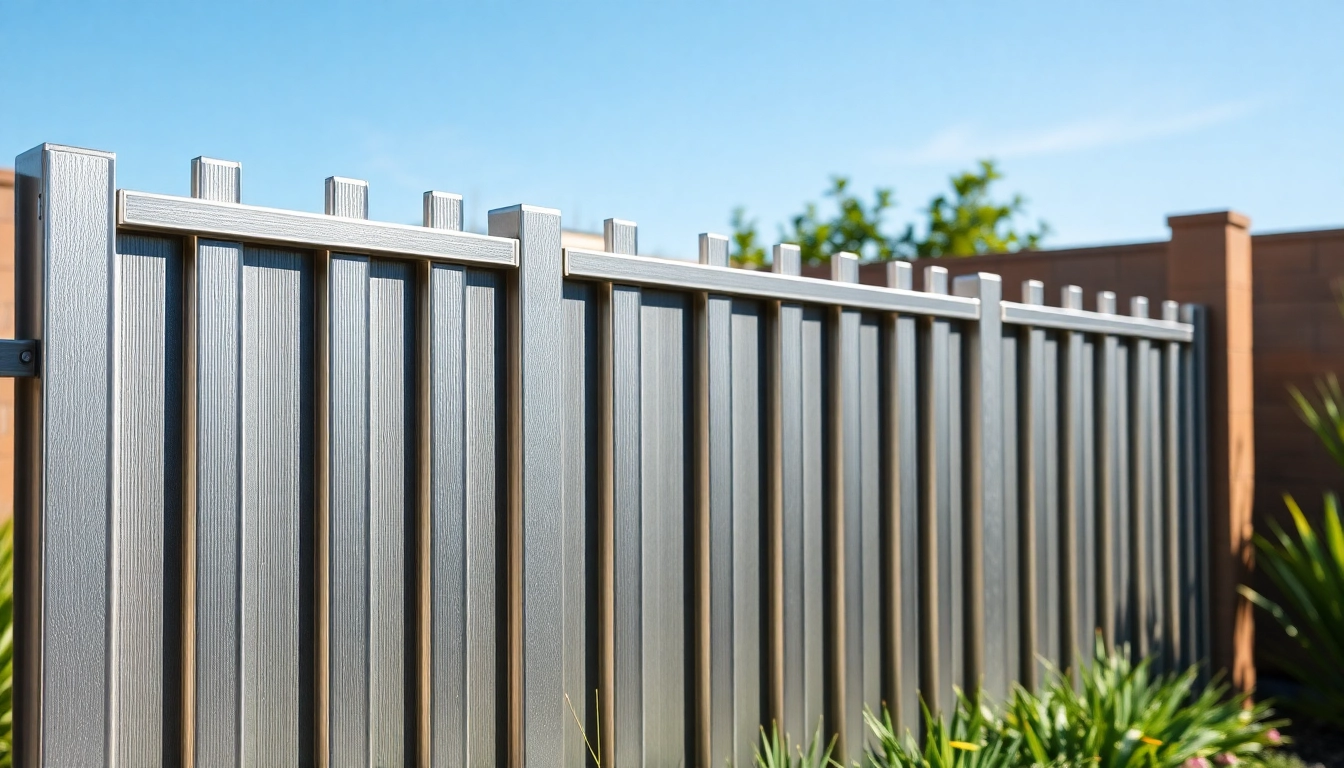
Understanding Metal Fence Panels
What are Metal Fence Panels?
Metal fence panels are durable and robust fencing solutions made primarily from materials such as steel, aluminum, or iron. Unlike traditional wood fences, these panels are engineered to withstand various weather conditions and physical impacts, providing a secure barrier for residential, commercial, and industrial properties. They offer a blend of functionality, aesthetic appeal, and long-lasting performance. The popularity of metal fence panels is increasing due to their low maintenance needs and the security they provide. To understand the specifics of opting for metal fencing, feel free to visit www.metalfencepanels.co.uk for comprehensive choices and insights.
Types of Metal Fence Panels Available
There are several types of metal fence panels, each designed for different purposes and aesthetic preferences:
- Chain Link Fencing: A popular choice for affordable security, often used in residential and commercial settings.
- Wrought Iron Fencing: Known for its durability and intricate designs, this type is often associated with luxury and historical homes.
- Aluminum Fencing: Lightweight and resistant to rust, aluminum is suitable for various climates and often serves ornamental purposes.
- Steel Panels: Heavier and stronger than aluminum, steel panels provide superior security and are often used in industrial applications.
- Decorative Metal Fencing: Available in various styles and finishes, decorative fencing combines security with aesthetics, making it ideal for residential properties.
Benefits of Choosing Metal Over Wood
When considering fencing options, metal has several advantages over wood:
- Durability: Metal fencing is more resistant to weather elements, termites, and rot, ensuring a longer lifespan.
- Low Maintenance: Unlike wood, metal does not require regular painting or staining, reducing long-term costs.
- Value for Money: Although the initial investment might be higher, the longevity and durability of metal fences often provide better value over time.
- Security: Metal fences are typically more difficult to breach, offering enhanced security for properties.
- Environmental Impact: Many metal fences are made from recycled materials and are themselves recyclable, making them a more eco-friendly choice.
Installation Process for Metal Fence Panels
Preparing Your Site for Installation
Prior to installation, proper site preparation is crucial:
- Assess the Area: Identify boundaries and ensure that you have the necessary permits.
- Clear the Ground: Remove any debris, plants, or existing fencing obstacles from the installation area.
- Measure and Layout: Use stakes and string to mark where the fence panels will be installed, ensuring they are level and straight.
- Gather Required Tools: Ensure you have all necessary tools, including post hole diggers, a level, fence panels, and concrete mix for posts.
Step-by-Step Installation Guide
The installation of metal fence panels typically follows these steps:
- Install Fence Posts: Dig holes for posts, ensuring they are deep enough and spaced according to panel design. Secure the posts with concrete for stability.
- Attach Panels to Posts: Secure each metal panel to the posts using appropriate hardware, ensuring they are level and aligned.
- Check for Stability: After all panels are attached, go back and check that everything is securely in place.
- Finish with Cap Rails (if applicable): Add any decorative or functional cap rails on top of the posts as required for your design.
Common Pitfalls to Avoid During Installation
To ensure a successful installation of metal fence panels, consider these pitfalls:
- Ignoring Local Regulations: Ensure compliance with zoning laws and property lines.
- Inadequate Measurements: Double-check all measurements before cutting or installing any materials.
- Failing to Use Proper Tools: Using inadequate tools can lead to inefficiency and poor results.
- Neglecting Post Stability: Ensure posts are properly secured in concrete; loose posts can destabilize the entire fence.
Maintenance Tips for Longevity
Cleaning and Caring for Metal Panels
Although metal fences are low maintenance, regular care can enhance their appearance and lifespan:
- Regular Cleaning: Use water and mild soap to wash panels, removing dirt and grime that can lead to corrosion.
- Inspect for Rust: Periodically check for any signs of rust, particularly at joints and welds, and treat them immediately.
- Clear Vegetation: Keep vegetation trimmed back to prevent moisture buildup and avoid pests.
Protective Coatings and Treatments
Applying protective coatings can enhance durability:
- Paint or Powder Coating: Painting or using powder coatings can add a layer of protection against the elements.
- Anti-Rust Treatments: Consider using anti-rust compounds to prolong the life of your metal panels.
- Sealant Application: Applying sealants can help protect against moisture intrusion.
How to Repair Minor Damages
Repairing minor damages can help maintain your fence’s integrity:
- Rust Removal: Use a wire brush or sandpaper to remove rust, then repaint the affected area.
- Panel Replacement: For damaged panels, remove the affected panel and replace it with a new one, ensuring alignment.
- Post Stabilization: Reposition or replace loose posts to ensure they remain upright and secure.
Choosing the Right Metal Fence for Your Property
Factors to Consider When Selecting Your Fence
When selecting a metal fence, consider several factors:
- Purpose and Use: Determine whether the fence is primarily for security, aesthetics, or both.
- Design and Style: Choose a style that complements your property’s architecture and landscape.
- Budget: Factor in initial costs and long-term maintenance expenses.
- Local Climate: Select materials that can withstand local weather conditions, such as high humidity or extreme temperatures.
Integrating Fencing with Landscape Design
Metal fences can enhance landscape design through thoughtful integration:
- Plan for Visual Appeal: Use the fencing to frame garden beds or pathways, creating a cohesive look.
- Consider Nature Elements: Arrange your fence to complement natural features like trees, ponds, or hills.
- Adding Features: Incorporate climbing plants or lighting to enhance visual interest.
Comparing Costs and Value Over Time
Understanding the costs related to metal fencing is crucial:
- Initial Investment: Metal fences may have a higher upfront cost compared to wood, but consider lifetime durability.
- Maintenance Costs: Factor in maintenance, as metal requires less frequent upkeep than wood.
- Resale Value: Well-maintained metal fencing can enhance property value, making it a worthwhile investment.
FAQs about Metal Fence Panels
What are the advantages of metal fence panels?
Metal fence panels provide durability, low maintenance needs, enhanced security, and an eco-friendly option through recyclable materials.
How long do metal fence panels typically last?
With proper care, metal fence panels can last 30 years or more, making them a long-lasting barrier option.
Can I paint my metal fence panels?
Yes, you can paint metal fence panels. Opt for high-quality metal paint for effective coverage and durability.
What is the best maintenance schedule for my panels?
Perform annual inspections and clean as needed. Touch up rust or damage immediately to maintain appearance and functionality.
Are metal fence panels eco-friendly?
Yes, many metal fences are made from recycled materials and are themselves recyclable, making them a sustainable choice.


