
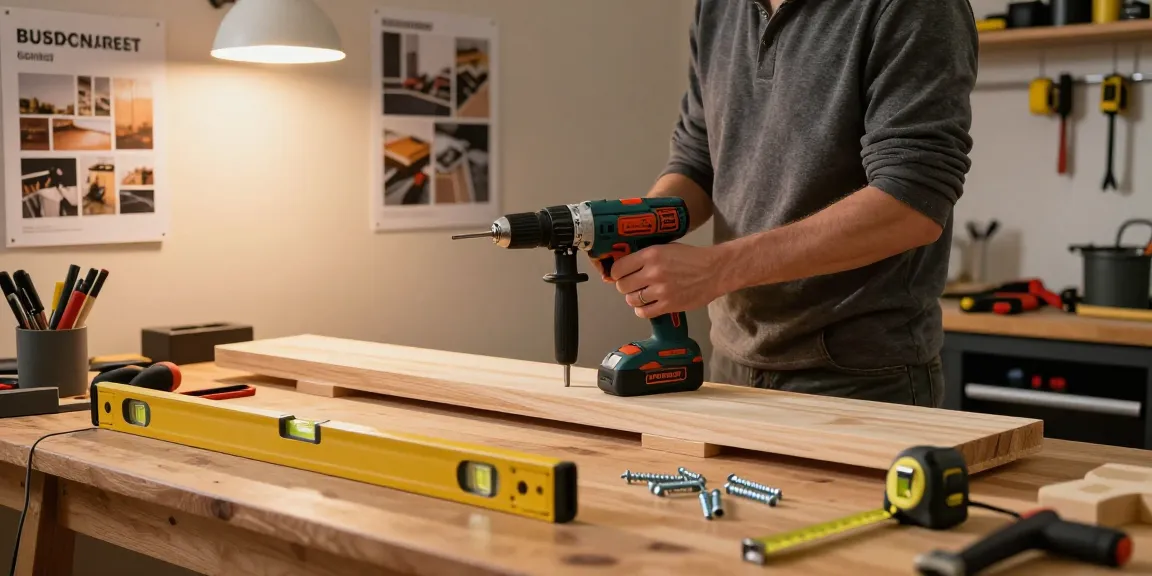
Understanding the Stanley Drill
The stanley drill has earned a noteworthy reputation in the realm of power tools, especially among DIY enthusiasts and professional craftsmen alike. Renowned for their durability and performance, Stanley drills offer a reliable option for a variety of tasks, from simple household repairs to demanding construction projects. This article delves into the distinctive features of Stanley drills, their various types, and essential operational insights, ensuring you maximize the effectiveness of your tool.
What Makes Stanley Drills Unique?
Stanley drills stand out due to a combination of innovative technology, ergonomic design, and a commitment to quality. Unlike many competitors, Stanley has a long heritage in tool manufacturing, enabling them to continually refine and enhance their products based on user feedback and technological advancements. For instance, the integration of brushless motors in many Stanley cordless models not only increases the tool’s efficiency but also extends its lifespan, making it a worthy investment for buyers.
The Different Types of Stanley Drills Available
Stanley offers a broad range of drills catering to different needs, including:
- Cordless Drills: Perfect for mobility, these drills are ideal for on-the-go projects and can handle various drilling applications.
- Hammer Drills: Designed for drilling into harder materials like masonry, hammer drills provide additional force through a hammering action.
- Driver Drills: These tools are specialized for driving screws and often come with adjustable torque settings to prevent damage to materials.
- Combination Drills: Offering versatility, combination drills can handle both drilling and driving, making them suitable for a range of tasks.
Features to Look for in a Stanley Drill
When selecting a Stanley drill, consider the key features that enhance performance and user experience:
- Power Rating: Gauge the power, typically denoted in volts, influencing the drill’s ability to handle heavier tasks.
- Battery Life: For cordless models, look for lithium-ion batteries that provide longer usage times and shorter charging intervals.
- Torque Settings: Adjustable torque settings allow for greater control when driving screws, reducing the risk of stripping or damaging materials.
- Weight and Balance: Opt for a well-balanced drill that is lightweight, as this minimizes user fatigue during prolonged use.
Common Mistakes When Using a Stanley Drill
Even experienced users can make mistakes that hinder their drilling effectiveness. Here are common pitfalls to avoid:
Using the Wrong Drill Bit Size
One of the most frequent errors is using an incorrect drill bit size for the intended hole or screw type. A mismatched bit can cause strain on the motor and lead to poor outcomes. Always choose the right bit for your specific task to ensure efficient operation.
Neglecting to Read the Manual
Many users overlook the importance of the user manual, which contains vital information about operating procedures, safety guidelines, and maintenance. Taking the time to read this document can enhance your experience and save you from potential mistakes.
Ignoring Safety Precautions
Safety should always be a priority when using any power tool. Ignoring basic precautions—such as wearing protective eyewear and ensuring a clean workspace—can lead to accidents. Always follow safety guidelines to protect yourself and those around you.
How to Properly Operate Your Stanley Drill
Operating your Stanley drill effectively requires attention to detail and understanding basic techniques. Here’s how to ensure optimal performance:
Setting Up Your Workspace
A well-organized workspace can significantly enhance drilling efficiency. Ensure adequate lighting, a stable surface for your workpiece, and keep your tools organized and within reach to minimize distractions during use.
Techniques for Drilling Accurately
To drill accurately, start with a pilot hole for larger bits and maintain a steady pressure while drilling. Avoid forcing the drill, as this can lead to overheating and damage. Instead, allow the drill to do the work, adjusting speed and pressure based on the material being drilled.
Maintenance Tips for Longevity
Regular maintenance is crucial for prolonging the life of your drill. Keep the tool clean, lubricate moving parts when necessary, and check for wear on the battery and charger to ensure they are in optimal condition. Additionally, store your drill in a dry place to prevent corrosion or damage.
Resolving Issues with Your Stanley Drill
Even the best tools can encounter problems. Knowing how to troubleshoot can save you time and money.
Common Troubleshooting Techniques
Common issues might include the drill not starting or losing power during use. Check the battery charge, ensure that the bit is securely in place, and inspect for any defects or damage. Many problems can be resolved by simply resetting the tool or replacing worn components.
When to Seek Professional Help
If you encounter persistent issues that you cannot resolve, it may be time to consult a professional. Look for authorized service centers that specialize in Stanley products to ensure your drill receives the correct care.
Warranty and Service Options
Stanley drills typically come with a warranty, covering defects and certain types of damage. Review the warranty terms carefully, and if necessary, utilize this coverage to repair or replace your drill. Service options may include online registration for easier warranty claims.
Future Trends in Power Tools for DIY Enthusiasts
The landscape of DIY tools is evolving rapidly, with significant innovations on the horizon. Below are some trends that are shaping the future of power tools.
Innovations in Drill Technology
Future developments in drill technology are likely to focus on advanced battery technology, offering faster charging times and greater longevity. Additionally, new materials may be utilized to enhance the drill’s structure, making them lighter without compromising durability.
Eco-Friendly and Sustainable Options
As environmental awareness grows, manufacturers are focusing on creating more sustainable tools. Expect to see Stanley and other brands introduce eco-friendly products that utilize recyclable materials and energy-efficient operations.
The Impact of Smart Technology on DIY Tools
Smart technology is increasingly making its way into power tools. Features such as connectivity with mobile apps for enhanced control and monitoring may soon become standard in drills, allowing users to adjust settings remotely for improved precision and performance.
What is the Best Way to Choose a Stanley Drill?
Choosing the best Stanley drill depends on your specific needs. Consider your typical projects, frequency of use, and preferred features. Researching user reviews and comparing specifications can also help narrow down your options to find the ideal match for your tasks.
How Can I Improve My Drilling Technique?
Improving your drilling technique involves practice and understanding the right approaches. Experiment with speeds and pressures on different materials. Consider taking a DIY workshop for hands-on experience and tips from seasoned professionals.
Are Stanley Drills Worth the Investment?
Stanley drills are often considered a worthwhile investment due to their quality and reliability. They typically offer excellent performance and durability, making them a preferred choice for both amateurs and professional users. Weigh your budget against the features and benefits provided to determine if they meet your needs.
What Accessories Enhance the Use of a Stanley Drill?
To enhance the versatility and effectiveness of your Stanley drill, consider investing in quality accessories such as a range of drill bits (specific to materials like wood, metal, or masonry), battery packs for extended use, and various attachments to assist in different tasks.
How Do I Maintain My Stanley Drill for Longevity?
Proper maintenance includes regularly cleaning the drill, ensuring the battery terminals are clean, and checking for loose screws or parts. Following manufacturer guidelines on care and maintenance can significantly extend the life of your equipment.
What Safety Gear Should I Use While Drilling?
Safety gear is crucial when using any power tool. For more information, Mister Worker offers valuable insights. Always wear protective eyewear to shield your eyes from debris, ear protection to guard against noise, and gloves for hand protection. Additionally, consider wearing a dust mask when working with materials that generate fine particles.


