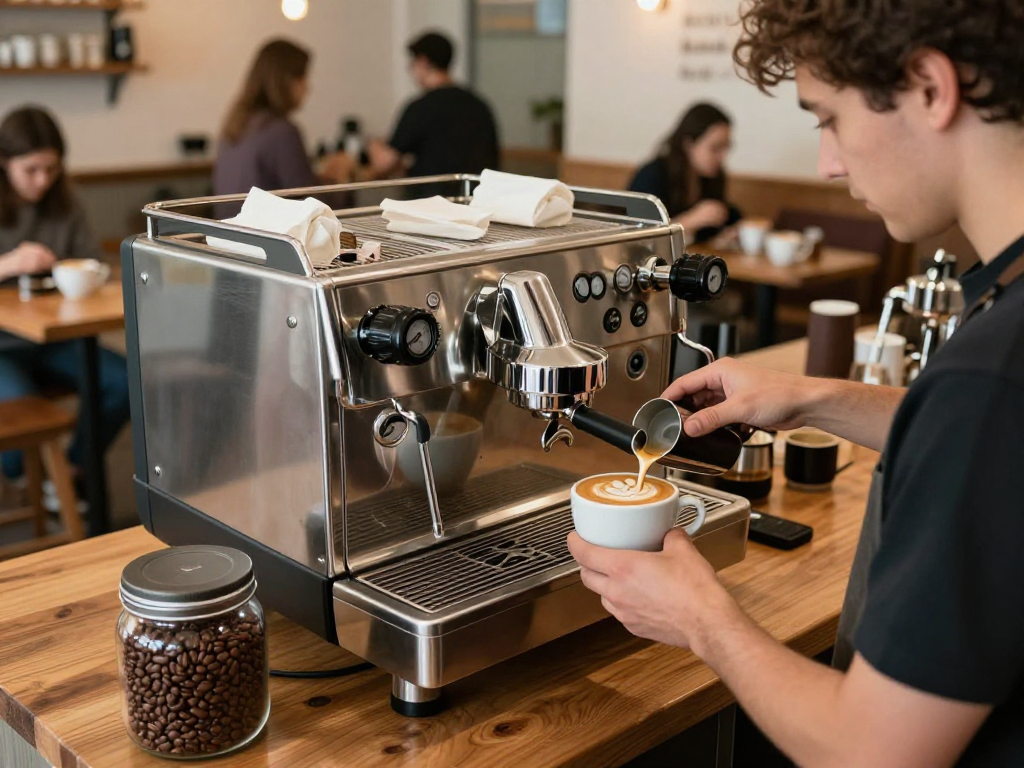
Understanding Commercial Coffee Machines
In the world of coffee, quality is king, and that begins with the tools of the trade. For businesses looking to provide their customers with exceptional coffee experiences, investing in commercial coffee machines is essential. These machines are designed to handle the demands of high-volume environments, ensuring that every cup is brewed to perfection. This article will delve deeply into the various aspects of commercial coffee machines, shedding light on what they are, the types available, and the key features to consider when making a purchase. When exploring options, Commercial Coffee Machines provide comprehensive insights that are invaluable for any coffee business.
What Are Commercial Coffee Machines?
Commercial coffee machines are high-capacity brewing devices that are engineered specifically for professional use in cafes, restaurants, and other establishments. Unlike residential coffee makers, these machines can brew multiple servings of coffee simultaneously and are built to withstand daily wear and tear from heavy usage. They also come equipped with advanced technology for precision brewing, enhancing the flavor and aroma of each cup.
Types of Commercial Coffee Machines
Understanding the different types of commercial coffee machines available is crucial for making an informed decision. Here are the primary categories:
- Espresso Machines: These machines are specifically designed for brewing espresso and are available in manual, semi-automatic, and fully automatic versions. They feature high-pressure systems that extract rich flavors from finely ground coffee beans.
- Drip Coffee Makers: Ideal for brewing larger volumes of coffee, these machines are commonly found in cafés. They are simple to operate and perfect for consistent, high-quality brewed coffee.
- Pour-Over Coffee Makers: Although more manual in operation, pour-over systems allow for greater control over the brewing process, making them popular among specialty coffee shops.
- Single-Serve Coffee Machines: These machines offer convenience, allowing customers to brew one cup at a time. They have become popular in office settings and smaller cafes.
- Commercial Grinders: While not technically a brewing machine, high-quality grinders are essential for any coffee operation. They ensure the coffee beans are ground fresh right before brewing, which significantly enhances flavor.
Key Features to Consider
When evaluating commercial coffee machines, several key features should guide your purchasing decision:
- Capacity: Assess the average volume of coffee your establishment serves. Machines vary in capacity, and selecting one that meets your demand without causing delays is crucial.
- Brewing Time: Quick brewing times can significantly improve service efficiency during peak hours.
- Ease of Use: Look for user-friendly interfaces that require minimal training for staff.
- Temperature Control: Consistent temperature is vital for optimal coffee extraction.
- Durability: Machines made with high-quality materials will endure the rigors of daily use.
- Maintenance: Consider machines that offer ease of cleaning and maintenance to prolong their lifespan.
Choosing the Right Machine for Your Business
Selecting the right commercial coffee machine requires a thorough assessment of your business's specific needs. Understanding your clientele, the types of beverages you wish to serve, and the expected foot traffic will guide your choice.
Assessing Your Coffee Shop’s Needs
Start by determining the volume of coffee you serve daily. If your shop is in a busy area or caters to a high volume of customers, opt for machines with larger brewing capacities. Additionally, consider the beverage variety you plan to offer. If you want to provide specialty drinks like lattes and cappuccinos, an espresso machine may be crucial.
Budgeting and Investment Considerations
Your budget will play a significant role in your decision. Commercial coffee machines can range from a few hundred to several thousand dollars. Consider not only the initial purchase price but also the long-term costs associated with maintenance, repairs, and any additional equipment you may need, such as grinders or milk frothers.
Comparing Top Brands and Models
Market research is vital when comparing brands and models. Look for reputable manufacturers known for quality and customer support. Read reviews and gather feedback from other business owners to assess the performance and reliability of specific machines.
Installation and Setup Best Practices
The installation and setup of your commercial coffee machine can directly affect its performance and your business's efficiency. Following best practices during this phase can save time and reduce operational hiccups.
Preparing Your Café for Installation
Before installation, ensure that you have the necessary space and infrastructure to support the machine. This includes proper electrical outlets and plumbing if your machine requires it. It's advisable to consult with an installation expert to guarantee that everything meets code and is set up correctly.
Essential Equipment and Accessories
In addition to the coffee machine itself, you may need several accessories to enhance your brewing capabilities. This could include coffee grinders, milk frothers, water filtration systems, and cleaning supplies. Each contributes to the overall quality of the final product served to customers.
Common Installation Mistakes to Avoid
One common mistake is underestimating the required space for the machine and its accessories. Another frequent oversight is neglecting to ensure proper ventilation, which can lead to overheating. Always double-check that all connections are secure and that the machine is level for optimal performance.
Maintenance and Care for Longevity
Proper maintenance is key to ensuring the longevity of your commercial coffee machine. Neglecting routine upkeep can lead to costly repairs and affect your coffee's quality.
Daily and Weekly Maintenance Routines
Establish a daily routine that includes cleaning the brewing components, flushing the machine, and checking for any signs of wear. Weekly maintenance might involve descaling the machine and checking water filters to ensure optimal performance.
Common Issues with Commercial Coffee Machines
Some common issues include inconsistent brewing temperatures, clogged filters, and malfunctioning pumps. Being aware of these potential problems allows you to address them promptly, minimizing downtime.
When to Call a Professional for Repairs
If you encounter persistent issues that you cannot resolve through regular maintenance, it may be time to call in a professional technician. Regular professional servicing can also help extend your machine’s operational life.
Trends and Innovations in Coffee Machinery
The coffee industry is ever-evolving, and staying ahead of trends and innovations is essential for business success. Here are some noteworthy developments in commercial coffee machines.
Smart Coffee Machines: The Future of Brewing
Smart coffee machines equipped with IoT technology allow operators to monitor performance remotely, manage inventory, and even control brewing parameters through smartphone applications. This innovation streamlines operations and enhances coffee quality.
Sustainability and Eco-Friendly Options
As consumers become more environmentally conscious, there is a growing demand for eco-friendly coffee equipment. Manufacturers are designing machines that reduce energy consumption and use sustainable materials, which align with customer values.
Consumer Preferences Shaping Machine Features
Today's consumers seek personalized coffee experiences, leading to machines that offer customizable settings for brew strength, temperature, and beverage types. Incorporating these preferences into your offerings can set your café apart.
Frequently Asked Questions
What should I consider when purchasing a commercial coffee machine?
Consider your business size, customer volume, beverage variety, budget, and the machine's features, including capacity and ease of maintenance.
How can I maintain my commercial coffee machine effectively?
Establish a regular cleaning and maintenance routine, including daily flushes and weekly descaling, to ensure peak performance.
What are the latest innovations in commercial coffee machines?
Innovations include smart technology for remote management and eco-friendly designs that minimize energy consumption and environmental impact.
How do I choose the right brand for commercial coffee machines?
Research brands known for reliability and performance. Seek reviews from other business owners and identify those with strong customer service support.
What are the common problems faced with commercial coffee machines?
Common issues include inconsistent brewing, blocked filters, and malfunctioning components. Regular maintenance can help prevent these problems.