The Evolution of Urban Fashion and AI Trends
The intersection of urban fashion and artificial intelligence (AI) is a captivating arena that is constantly evolving. As technology integrates deeper into everyday life, the way we perceive style and trends is undergoing profound shifts. In this digital age, the term ai slut has emerged, reflecting a societal movement that intertwines technology with personal expression. This article delves into how AI is shaping modern fashion choices, the influence of urban culture on AI development, and fashion trends driven by AI recommendations.
How AI is Shaping Modern Fashion Choices
AI technologies such as machine learning and data analytics are revolutionizing the fashion industry. They enable brands to predict trends, understand consumer preferences, and personalize shopping experiences. Algorithms analyze vast amounts of data, from social media trends to purchasing behaviors, equipping brands with insights that allow them to stay ahead in the fast-paced world of fashion. For example, AI-powered platforms can suggest outfits based on a user’s previous purchases or their social media activity, tailoring their shopping experience to individual tastes.
Urban Culture Influence on AI Development
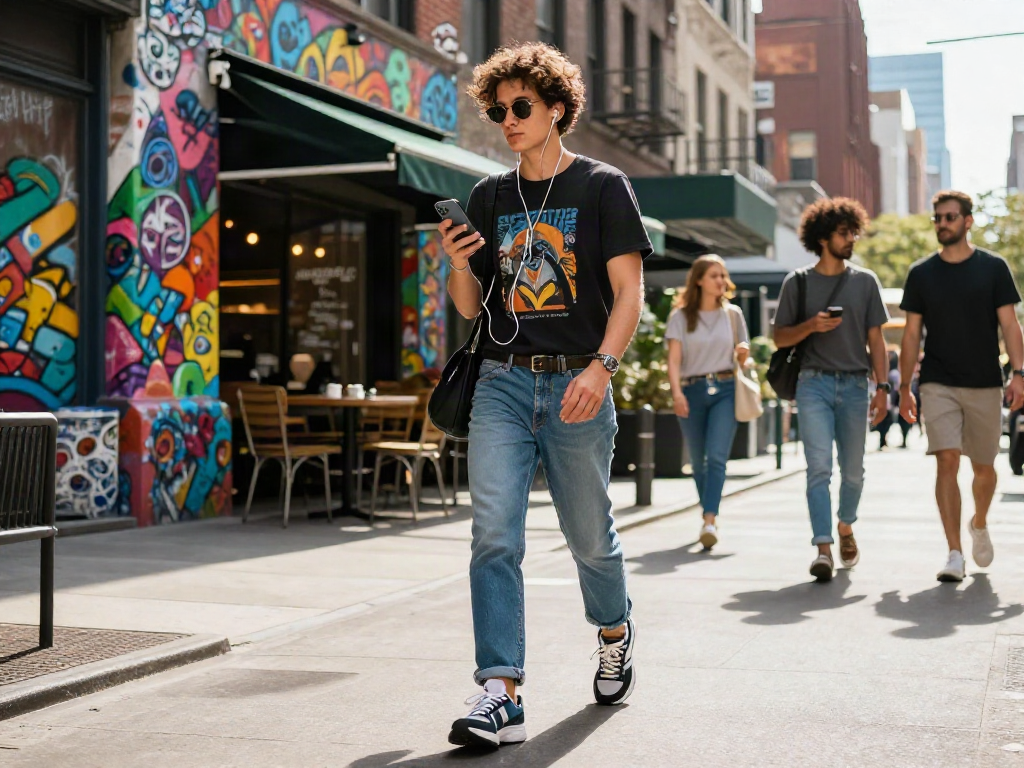
Urban culture plays a critical role in shaping AI's trajectory in fashion. The creative expressions found in streets—from graffiti to dance to streetwear—have influenced how AI systems are designed to interpret aesthetic values. Designers increasingly look to urban environments for inspiration, which reflects in the algorithms that power AI recommendations. As a result, AI systems not only promote individuality but also embrace the collective ethos of urban communities, allowing for a unique blend of personal and cultural identity in fashion.
Fashion Trends Driven by AI Recommendations
AI-driven recommendations are redefining how fashion trends emerge. By analyzing data from influencers, celebrities, and everyday consumers, AI can predict what styles will dominate upcoming seasons. This data-driven insight allows brands to create collections that resonate with consumers before they even know what they want. Fashion shows are now influenced by AI trend forecasts, with designers showcasing lines that reflect real-time consumer interest rather than traditional seasonal trends.
Understanding the Term "ai slut" in Contemporary Context
The term "ai slut" has circulated in contemporary discourse, often evoking mixed reactions. It symbolizes a growing acceptance of technology's role in personal expression and lifestyle choices. This section explores the meaning behind the term, its societal implications, and how it reflects the evolving relationship between consumers and fashion technology.
Defining "ai slut" and Its Societal Implications
At its core, "ai slut" reflects a tendency to embrace technology wholeheartedly, embodying a lifestyle where AI-driven insights determine fashion choices. This term may challenge traditional norms around personal expression, suggesting a more fluid relationship between individual identity and technological influences. The implications are significant; it prompts societal discussions about authenticity, consumerism, and the nature of self-presentation in a digitized world.
Perspectives from Influencers and Industry Experts
Fashion influencers and industry experts offer diverse perspectives on the term "ai slut." Many argue that it signifies empowerment, as consumers gain access to tools that allow for greater self-expression. Others caution against over-dependence on AI, urging a balance between technology and personal style. This discourse highlights the ongoing negotiation of identity within modern fashion landscapes.
The Role of Social Media in Shaping Public Perception
Social media platforms are instrumental in shaping public perception of terms like "ai slut." The rapid dissemination of trends and opinions can amplify or diminish the stigma associated with such labels. Influencers often curate content that either embraces or critiques the intersection of AI and fashion, impacting how the broader community engages with these concepts. As users navigate these narratives, they redefine their relationships with both technology and self-identification.
Challenges and Misconceptions Surrounding AI in Fashion
Despite its benefits, the integration of AI in fashion brings several challenges and misconceptions that need addressing. This section outlines common misunderstandings about AI’s role in the industry, ethical concerns, and real-world examples of how these issues manifest.
Common Misunderstandings About AI's Role
Many misconceptions surround AI's function in fashion. A prevalent belief is that AI will ultimately replace human creativity. However, AI is designed to enhance creative processes rather than replace them. It serves as a tool for designers, providing insights that can inspire unique creations while preserving the human touch essential to artistry in fashion.
Addressing Ethical Concerns in AI-driven Fashion
Ethics is a key concern in the usage of AI in fashion. Issues such as data privacy, algorithmic bias, and the environmental impact of AI technologies need careful consideration. As brands leverage AI, they must prioritize ethical standards to foster consumer trust and promote sustainable practices.
Real-world Examples of Misconceptions
Real-world examples highlight these misconceptions. For instance, a luxury brand faced backlash when its AI tool generated designs that closely resembled existing works, raising questions about originality and authorship. Similarly, stories of inaccurate size recommendations provided by AI demonstrate the need for ongoing development to avoid alienating consumers. By addressing these challenges head-on, the fashion industry can embrace AI responsibly.
Best Practices for Embracing AI in Fashion Industry
For fashion brands seeking to integrate AI effectively, understanding best practices is essential. This section outlines key recommendations for leveraging AI while aligning with sustainable fashion principles and catering to emerging designers.
Recommendations for Fashion Brands Leveraging AI
Brands should start by implementing AI to enhance customer engagement through personalized experiences. This could include chatbots for customer service or tailored recommendations based on browsing history. Collaborating with data scientists can help brands refine their AI tools for improved accuracy and relevance.
Integrating AI with Sustainable Fashion Practices
Sustainability is crucial in today’s fashion landscape. Brands can integrate AI to optimize production processes, reduce waste, and utilize eco-friendly materials. By analyzing consumer demand through AI, brands can minimize overproduction, which significantly impacts environmental sustainability.
Data-driven Insights for Emerging Designers
Emerging designers can leverage AI for insights into trends and consumer behavior. By utilizing AI tools that analyze social media engagement and consumer feedback, these designers can make informed decisions about their collections. This data-driven approach empowers them to create designs that resonate with their target audience while maintaining their unique artistic voice.
The Future of AI and Urban Fashion Beyond 2026
As we look to the future, the relationship between AI and urban fashion is poised for significant transformation. This section explores predictions for this intersection, emerging technologies, and how consumers can prepare for future trends.
Predictions for the Intersection of AI and Fashion
By 2026, we can expect AI to play an even more pivotal role in fashion. Predictive analytics will become increasingly sophisticated, allowing brands to anticipate trends even more accurately. Innovations such as augmented reality (AR) and virtual reality (VR) will likely be integrated into AI platforms, providing immersive shopping experiences that blend digital and physical realities.
Emerging Technologies Shaping the Fashion Landscape
Emerging technologies will shape how fashion brands interact with consumers. Wearable technology, integrated with AI, will provide insights into personal style preferences and health metrics. This data can influence future collections, driven by real-time consumer feedback.
How Consumers Can Prepare for Future Trends
Consumers should stay informed about technological advancements in fashion. Engaging with platforms that utilize AI will enhance their shopping experiences. Additionally, fostering an open-minded approach to technology’s role in fashion will enable consumers to adapt to future trends while still embracing their individuality.
What does "ai slut" mean and why is it trending?
The phrase "ai slut" encapsulates a cultural phenomenon where technology meets personal expression. It has gained traction as more individuals embrace AI's role in shaping their unique style narratives.
How is AI influencing fashion trends today?
AI influences fashion trends by analyzing consumer data to predict and shape what styles will become popular. This data-driven approach allows brands to respond faster to consumer demand.
What challenges are faced by fashion brands adopting AI?
Fashion brands face challenges such as misconceptions about AI's role, ethical concerns regarding data usage, and the need for balancing technology with human creativity.
What ethical considerations should be made in AI fashion?
Brands must address data privacy, transparency in algorithmic decisions, and the environmental implications of AI technologies to foster ethical practices within the industry.
Where is the future of AI in urban culture heading?
As AI continues to influence urban culture, we can expect a convergence of technology and fashion that prioritizes personalization, sustainability, and ethical practices.